
Yes. We know.
2026 has been an…interesting year for the solar sector. After the repeal of the 30% federal tax credit, many solar prospects have been left reeling, wondering if there’s even still a point to this whole thing.
This is very reasonable to think. However, we can assure you that residential solar is still alive and kicking and there are still plenty of ways for you to get set up with your own solar panels so you can reap the benefits of electric savings and clean energy.
And even though rooftop solar is an investment in and of itself, the long-term environmental and financial benefits definitely make it worth it.
Here’s why getting solar panels for your roof is still very much a smart choice to make for your household in 2026.
A Quick Overview of Rooftop Solar
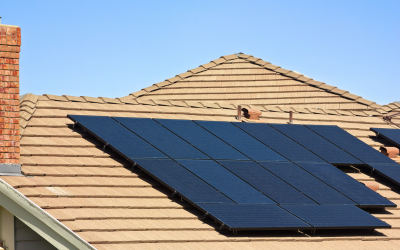
Rooftop solar consists of a system of photovoltaic solar panels placed on the roof of a house or business that generates electricity for the building. This is a cleaner, more eco-friendly way to support your energy needs as it doesn’t emit any carbon emissions and helps decrease (and potentially eliminate) your dependence on fossil-fuel based energy from the grid.
What Are the Perks of Rooftop Solar?
- It saves you money on your electric bill : Solar energy makes you less vulnerable to pesky electric rate hikes by reducing your dependence on grid energy. Simply put, the less grid energy you use, the less you have to pay for. Moreover, qualifying for additional incentives helps increase your saving potential.
- It boosts your home’s value: A rooftop solar system boosts your home’s value because it signals to potential buyers that your home is energy-efficient and incurs lower utility costs. It also boosts your home’s visual appeal thanks to the unique designs for panels that are available on the market.
- It reduces your carbon footprint: Solar panels don’t release any carbon emissions. Transitioning to solar energy gives you access to a cleaner energy source and reduces your reliance on non-renewable grid energy.
How Can I Afford Solar?
Even with the cancellation of the 30% tax credit there are still plenty of options available to make rooftop solar more affordable for you.
Leasing: This is best for homeowners who don’t actually own their solar panels and instead lease them from a developer who is responsible for installing and maintaining them. By paying this developer a fixed fee, the homeowners don’t have to worry about the installation and maintenance costs of their system which helps them save money and gain peace of mind.
Loans: By taking a loan for the purchase of their panels, homeowners still get to set up their own solar system even though they might not be able to fully afford it initially. Just as they would for a car or house loan, all they have to do is pay monthly installments on their loan to their lender over a specific term period.
Purchase Power Agreements: A purchase power agreement (PPA) is similar to a lease in that the solar panels are owned and maintained by a solar provider. However, with a PPA, there is no monthly fixed fee and the homeowner pays for the electricity generated by the panels at a lower rate than the utility.
State Incentives: Through rebates, tax credits, and other incentives, different states’ policies make residential solar more affordable for consumers. For example, thanks to the PECO rebate, new solar owners in Pennsylvania are eligible to receive a $500 rebate from PECO if their system was installed after September 1, 2024. To find additional solar incentives in your state, simply enter your zip code in the DSIRE database.
If Rooftop Really Isn’t For You, Consider Community Solar
If it turns out that rooftop solar is no longer a good fit for you for whatever reason (due to costs or roof issues for example), consider community solar as an alternative.This subscription program makes it easy for households to benefit from solar energy without the financial weight or structural hassles of rooftop solar. It’s a simple and sustainable way to save on electricity and still benefit from clean energy without installing panels on your roof.
All you need to do is subscribe to a share of a local solar farm, which gives you access to the solar energy produced by that share. Thanks to the solar credits generated by your portion of the farm, you will receive 10%-25% savings on your monthly utility bills. And solar projects last 25 to 30 years so you could save thousands of dollars over the lifetime of the project!
Rooftop solar is still a viable investment despite the recent changes in the industry! If you are interested in learning more about it or any of our other solar offerings, reach out to our team and we will help you find the best energy solution for your needs!