
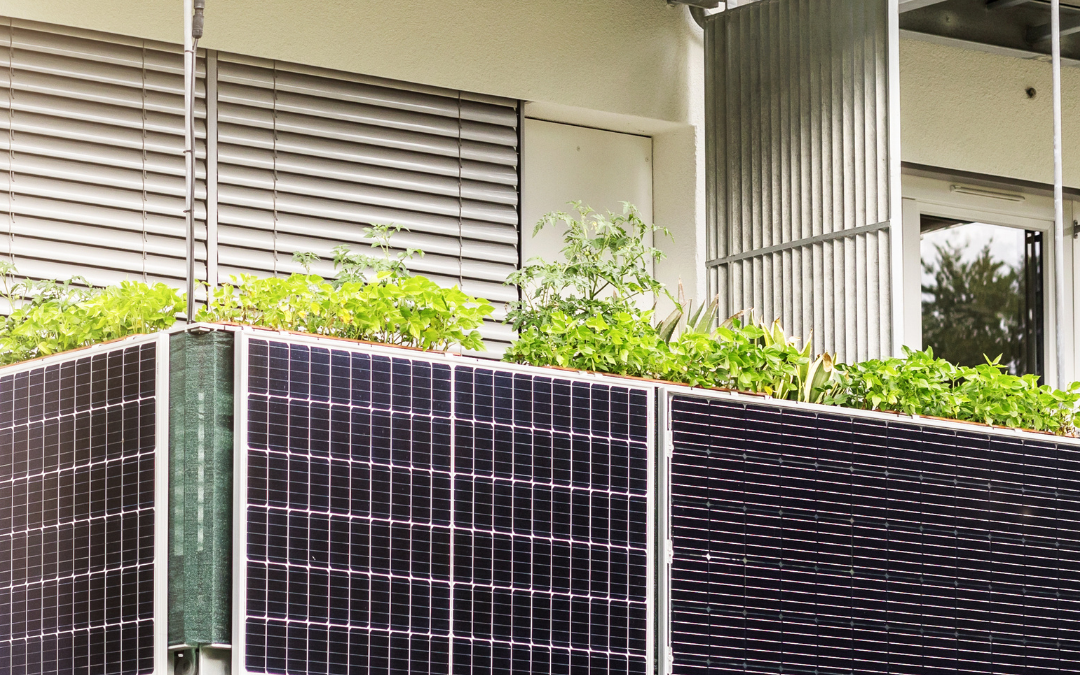
Did you know you can plug in solar panels and immediately receive clean energy in your home now?
No, we’re not joking. This is now a possibility thanks to plug-in solar, an up and coming solar option that lets you set up solar panels in your home without even needing a roof or thousands of dollars to spend on solar installation fees.
Plug-in solar (also known as balcony solar) is still relatively new in the U.S. It’s not perfect for everyone but it’s a promising new path to solar for renters or anyone who can’t afford residential solar.
As this solar solution continues to grow and more states and lawmakers explore its potential, it’s clear that more people are becoming aware of the impact of high electricity costs and how clean energy can bring genuine change for many families.
Here’s what you need to know about plug-in solar.
So What is Plug-in Solar Exactly?
A plug-in solar system is exactly what it sounds like! A simple system of solar panels plugged into your home to generate clean energy for your needs.
This portable solar solution started in Germany in 2019 after the German government eased their utility connection regulations. This allowed households to use plug-in solar without needing formal approval from their utility and it quickly gained popularity across other European countries.
Basically, here’s how it works. A plug-in system consists of up to 6 solar panels. These panels are connected to a small microinverter which converts the solar energy absorbed by the panels into electricity that flows into your home and powers your appliances. The system can be set up in any sunny area of your house like a patio, front or back yard or even balcony (hence why it’s also known as balcony solar). Plug-in solar panels do not cover as much as a typical rooftop install but they can help reduce your electrical charges for always-on appliances in your home like your refrigerator, air conditioner or wi-fi. Still, it’s a nice introduction to solar energy if you’re still on the fence about rooftop or if you rent your home and rooftop is just not an option for you.
In What States is Plug-in Solar Currently Legal ?
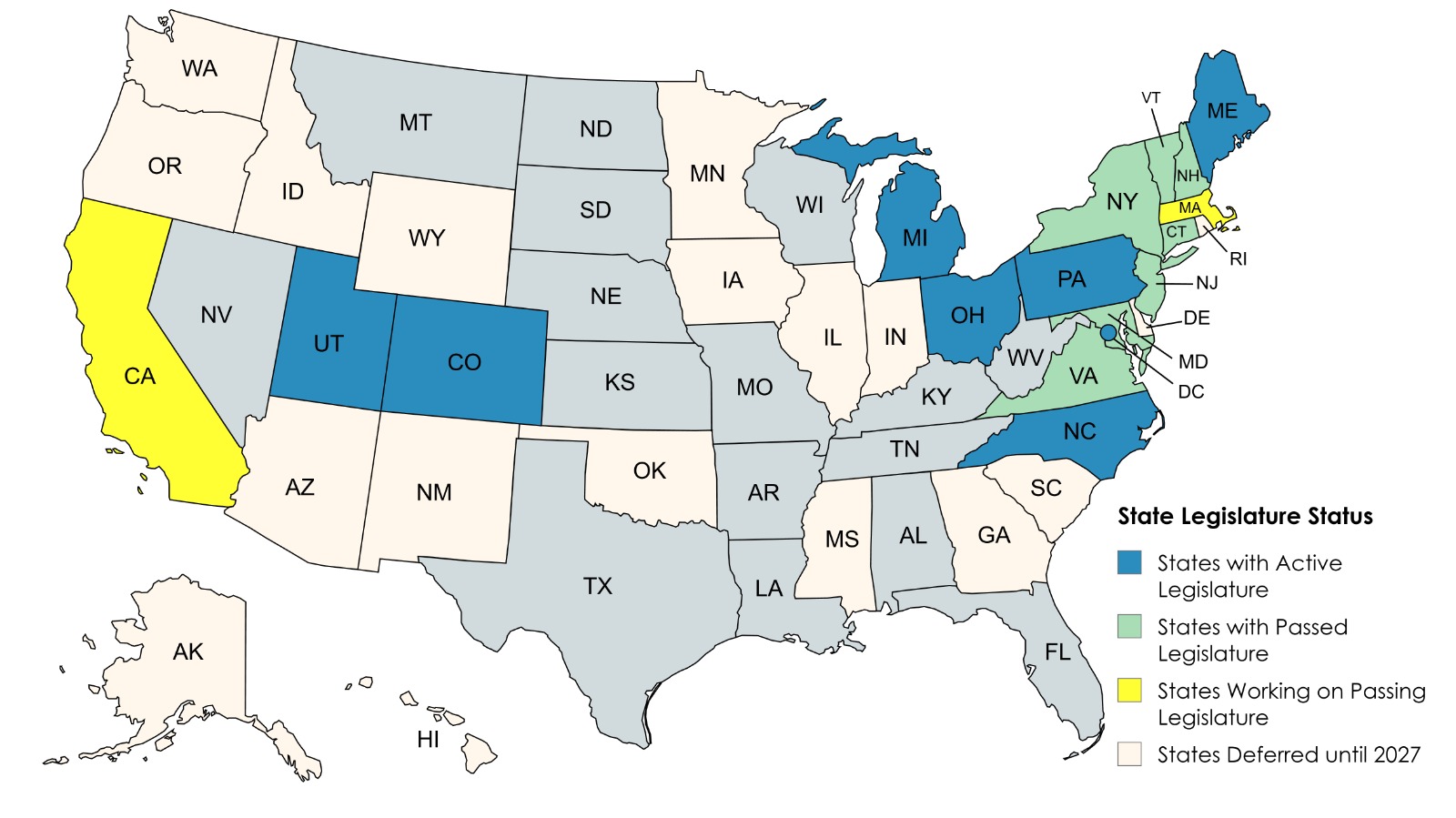
The U.S has also started catching on to the plug-in solar trend with Utah being the first state to formally legalize it in March 2025. Maine, Virginia, Colorado, Maryland, New Hampshire, Connecticut and Vermont all followed in 2026. Many other states are currently at various stages of the legislation process.
Remember to stay updated on your state’s specific requirements for plug-in solar as these can vary by state.
What Are the Pros and Cons of Plug-in Solar?
Pros
- It’s easy and affordable to set up: compared to a rooftop solar system that requires numerous steps like a site survey and the actual installation, all that’s needed for a plug-in solar to start working is to plug it into the outlet of your preferred location and voila! For anyone who’s interested in solar but intimidated by the various steps that are involved to get set up, this is a viable solution.
- It helps lower your electric bill: the reality is plug-in solar panels don’t reduce as much of your bill as a complete rooftop solar system would. However, by covering at least a few appliances, they can help cut up to $30 off your electric bill each month. And if you want to further increase your savings, you could combine this option with a community solar subscription that can further help decrease your bill by up to 25% thanks to solar credits.
- It lowers the access barrier to solar energy: due to how affordable and easy it is to use, plug-in solar has the potential to seriously facilitate access to solar energy for a large number of people. It may not reduce as much of one’s bill as residential solar but there is strength in numbers. With more legislation passed and more people learning about its financial and environmental benefits, the faster it’ll be for plug-in solar to gain traction which will increase its net impact on the grid.
Cons
- It doesn’t qualify for SRECS and net metering: Given the way that it works, a plug-in solar system is considered a portable appliance and therefore doesn’t count as a traditional solar system. It also doesn’t need to follow typical utility interconnection applications and reviews that are usually required for rooftop solar. Due to this, it won’t qualify for incentives like SRECs or net metering thus preventing you from earning income from any extra energy produced by your panels during periods of overproduction.
- It doesn’t produce as much energy as rooftop solar: Although plug-in solar panels help alleviate some of the burden from high electric bills, they can’t do that at the scale of a regular rooftop system, since they only cover a few appliances in your home. It’s still a good start but if you want to drastically increase your savings or even eliminate your bill, a full rooftop system would be the next best thing.
- You could be wasting energy if you don’t own a solar battery: since plug-in solar panels don’t qualify for net metering or SRECs, any unused energy produced by your panels goes back to the grid. This means lost savings for you. That’s why it’s highly beneficial for you to invest in a solar battery that works in tandem with your panels. It can store any excess energy generated by your panels during peak sun hours and release it for your needs during low generation hours.
What Are the Costs of Plug-in Solar?
Basic plug-in systems are typically 400-800 watts(W) and feature one to two panels but some can run as much as 1200 watts (with more panels). The average costs range from $1.25 to $2 per watt and include your panels, a microinverter and plugging cable.
To put this in perspective, consider this scenario. A 600W plug-in solar system costing around $900 could save approximately $20–$25 per month on electricity. That’s about $240–$300 in savings per year, which means the system could potentially pay for itself in around 3–4 years. Keep in mind these are just estimates. Your actual savings will depend on your local electricity rates, how much sunlight your panels are actually exposed to and your panels’ performance.
In addition to the size of your solar system, your total cost may increase if you add a storage battery or mounting brackets (if they aren’t already included in your package).
Where you live also plays a role in your potential savings. Electricity rates vary significantly from state to state, so the same solar system may save you more in a state with higher electricity rates than it would in a state with lower rates. For example, a system in New York could generate different monthly and annual savings than the same system installed in New Jersey.
So is Plug-in Solar Worth It?
That depends on you and your situation. For some people, the saving potential may not be worth it. But for those with limited options who still want access to solar energy and the help it could bring them, it’s a solid start and it’s worth considering!
If you are interested in learning more about any of our solar offerings, reach out to our team and we will help you find the best energy solution for your needs!